

Why Getting Outside Helps Your Mind More Than You Think
You know that feeling when you've been staring at screens all day and your brain feels like it's wrapped in cotton? Or when the walls of your house start closing in and everything feels overwhelming?
You're not imagining it. Your mind is actually craving something that most of us have forgotten we need: time outside.
It turns out that stepping outdoors does way more for your mental health than just giving you a change of scenery. The benefits go deeper than you might think, and the best part? You don't need to become a hardcore hiker or outdoor enthusiast to experience them.
Your Brain on Nature: What Actually Happens
When you step outside, something almost magical happens in your mind. But it's not magic: it's science.
Urban environments and indoor spaces bombard your brain with constant stimulation. Traffic noise, bright lights, notifications, crowds: all of this creates what researchers call "mental fatigue." Your attention gets pulled in a million directions, and your mind never gets a break.
Nature works differently. When you're outdoors, your brain shifts into what scientists call "soft fascination." Instead of fighting for your attention, natural environments gently hold it. The sound of leaves rustling, the way light filters through trees, the rhythm of your footsteps on a trail: these things engage your mind without overwhelming it.
Many people find that this shift happens surprisingly quickly. Even a few minutes outside can help you feel more focused and less mentally drained. Your brain literally relaxes in natural settings, and that relaxation allows you to concentrate better when you return to whatever you were doing.
The Color Green Is Your Mind's Best Friend
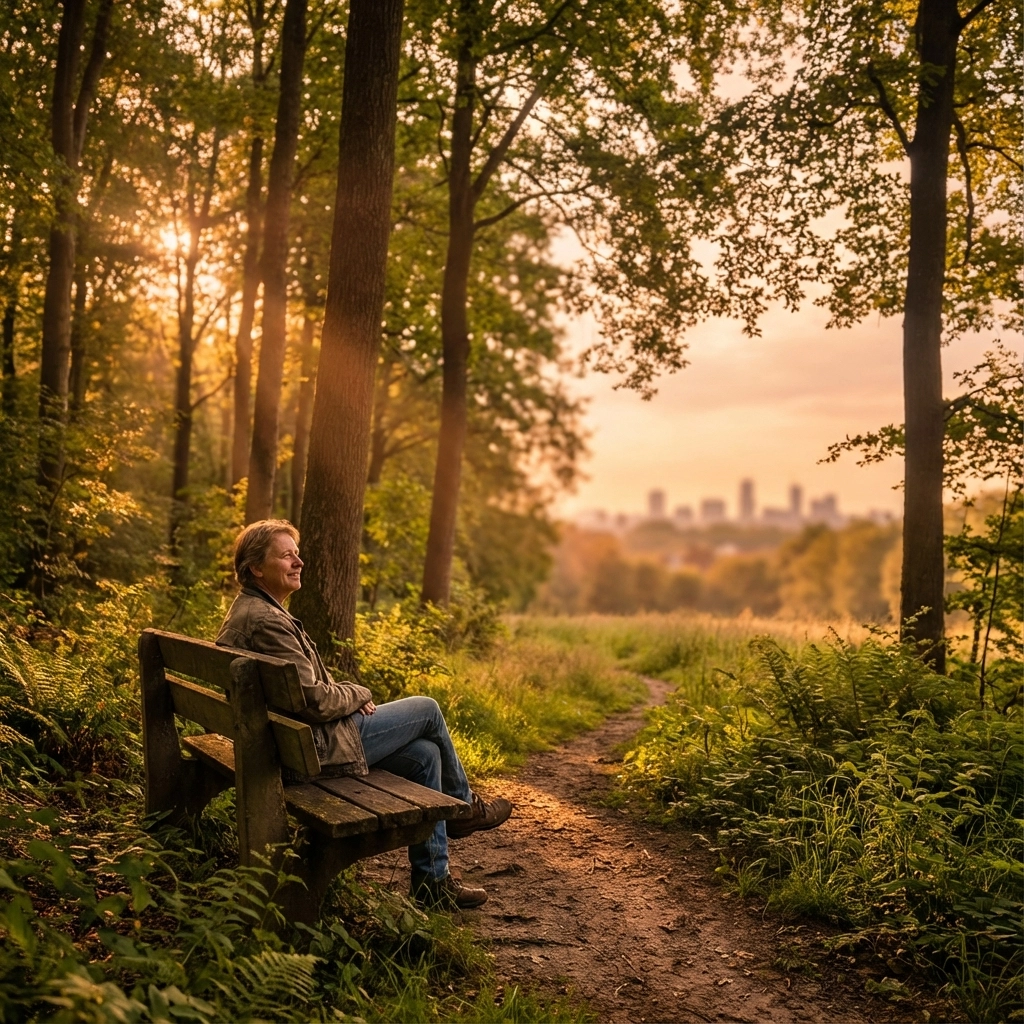
Here's something you probably never thought about: the color green itself has a calming effect on your nervous system.
When you look at greenery: whether it's trees, grass, or even houseplants: it activates your parasympathetic nervous system. This is the part of your nervous system that helps you relax and recover. At the same time, it tones down your sympathetic nervous system, which is responsible for that fight-or-flight feeling that makes your heart race and your stress levels spike.
Research shows this relaxation response can start in as little as five minutes. Five minutes. That's shorter than most coffee breaks.
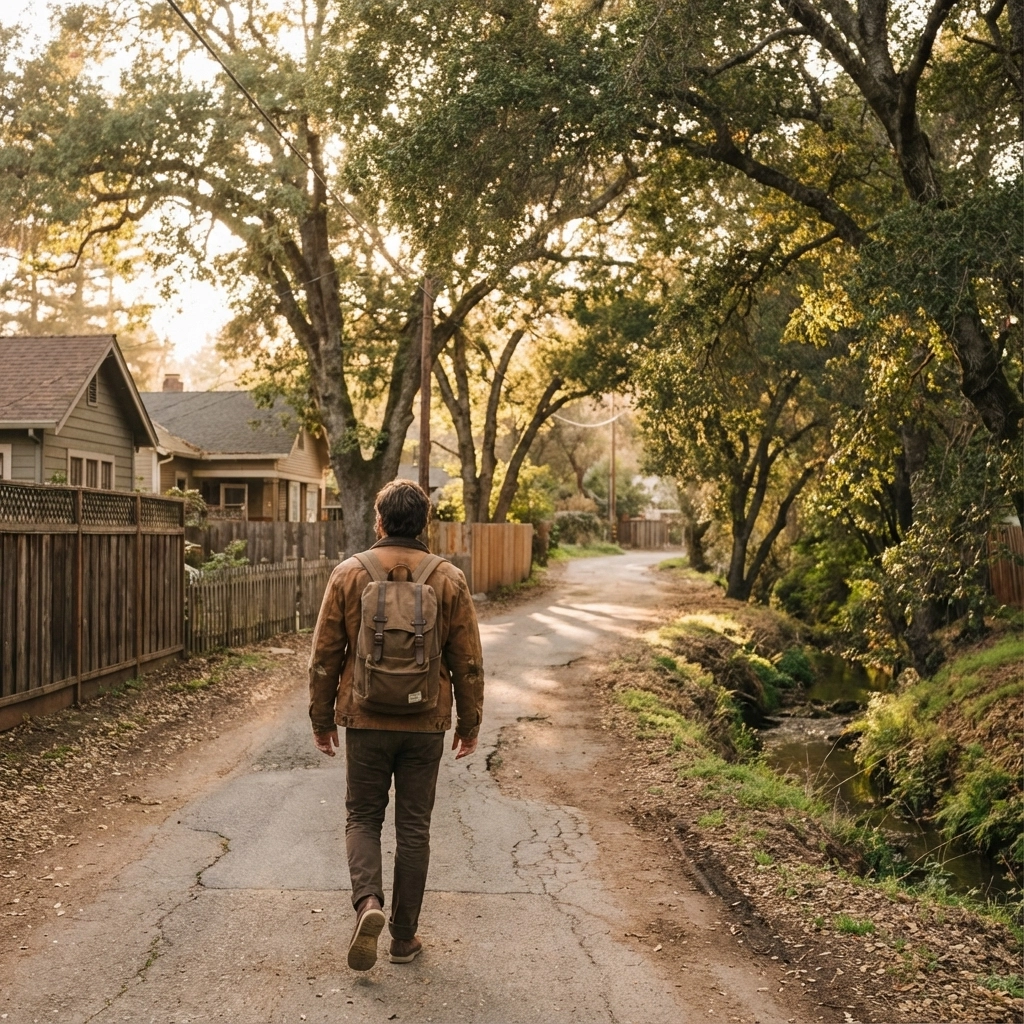
You don't need to hike for hours or plan elaborate outdoor adventures. Sometimes just sitting on a bench in a park or walking around your neighborhood can help support this natural calming process.
Why Fresh Air Feels Like a Mental Reset
There's a reason people say "I need some fresh air" when they're feeling overwhelmed. Your body and mind are designed to work better outdoors.
When you combine being outside with gentle movement: like walking: your body releases endorphins. These are your brain's natural feel-good chemicals. They help reduce stress and can lift your mood in ways that feel almost immediate.
Physical activity outdoors also increases your sensitivity to serotonin and norepinephrine, two brain chemicals that can help ease feelings of anxiety and low mood. But here's the key: you don't need intense exercise to get these benefits. A gentle walk often does the trick.
Many people find that outdoor time helps them process emotions and thoughts more clearly. Problems that felt insurmountable indoors suddenly seem more manageable after spending time outside. It's like your mind gets the space it needs to sort things out.

Small Steps, Big Impact
One of the best things about outdoor mental wellness is that it doesn't require major life changes or expensive gear. You can start exactly where you are, with whatever time you have.
Here are some simple ways to begin:
Start with 10 minutes. Step outside your front door and walk in any direction for five minutes, then turn around and come back. That's it. No destination required.
Find your nearest green space. It could be a park, a tree-lined street, or even a small garden. The size doesn't matter as much as the consistency of visiting it.
Try the "reset walk." When you feel overwhelmed or stuck, step outside and walk until you feel a shift in your mood or thoughts. For most people, this takes between 10-20 minutes.
Notice one natural thing. During your outdoor time, pick one thing to really observe. Maybe it's how clouds are moving, the texture of tree bark, or the sound of birds. This gentle focus can help quiet racing thoughts.
Make it routine, not rigid. Aim for outdoor time most days, but don't stress if you miss some. Consistency matters more than perfection.
Remember, there's no minimum distance you need to walk or specific activities you need to do. Some days, just sitting outside and breathing deeply can help support your mental well-being.
When Your Mind Needs More Support
Getting outside isn't a cure-all, but research shows it can be a valuable part of supporting your mental health alongside other strategies.
Studies have found that people who exercise outdoors report lower anxiety levels compared to those who exercise indoors. Even people dealing with depression often feel more energized and experience improved moods after outdoor activities compared to similar indoor activities.
Nature-based activities have shown promise as supportive approaches for anxiety, stress, and other mental health challenges. The key seems to be combining outdoor time with gentle movement and making it a regular practice rather than a one-time thing.
If you're dealing with persistent mental health challenges, outdoor time can be a helpful complement to professional support, but it's not a replacement for proper care when you need it.
The Magic of Combining Elements
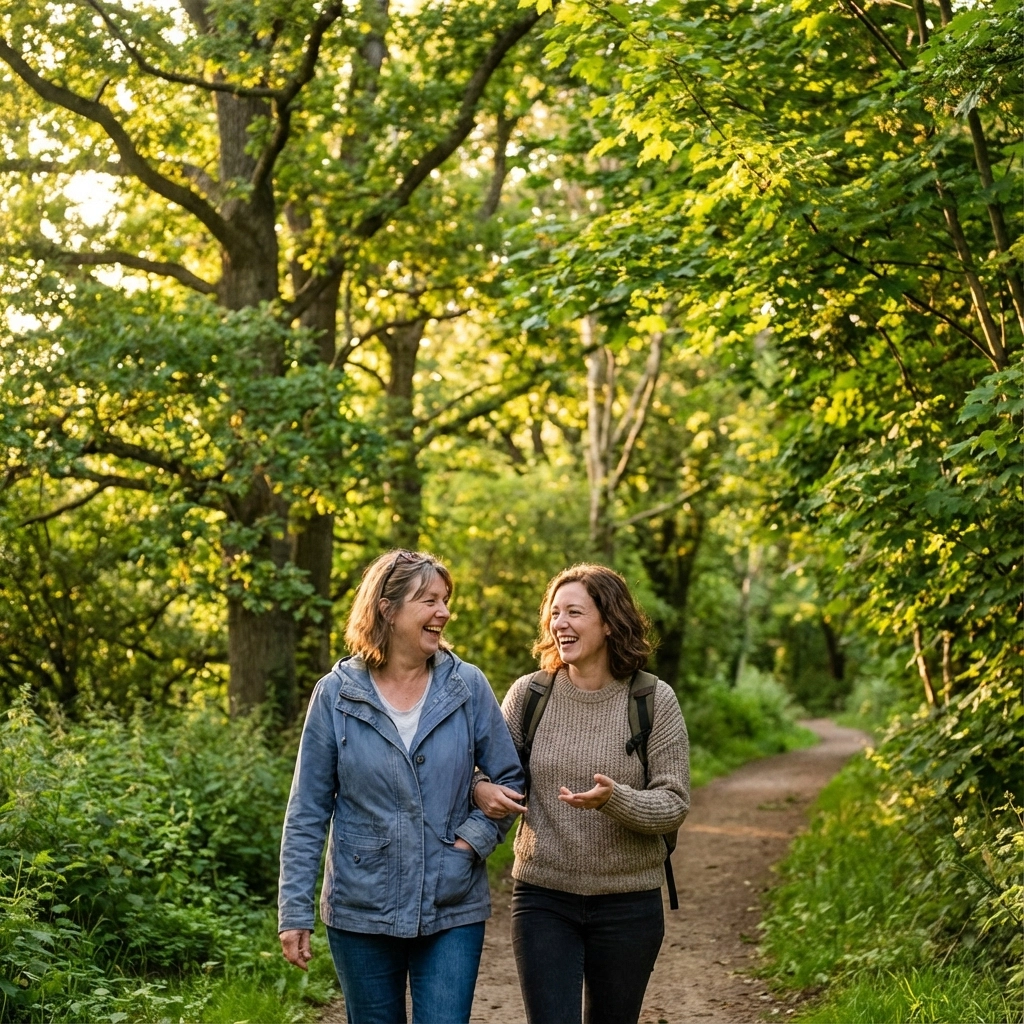
Here's where outdoor time becomes really powerful: when you combine being in nature with gentle movement and, if possible, connection with others.
When you walk with a friend in a park, you get the calming benefits of nature, the mood boost from movement, and the support that comes from social connection. These elements work together in ways that amplify the overall benefit.
But even if you prefer solo outdoor time, you're still getting multiple benefits at once. Your mind gets a break from indoor stimulation, your body gets gentle movement, and you often end up feeling more connected to yourself and your surroundings.
Regular access to green spaces has been linked to better concentration, improved mood regulation, and lower stress levels over time. These aren't just temporary feel-good moments: they're lasting improvements that build up with consistency.
Making It Work for Your Life
The beauty of outdoor mental wellness is its flexibility. It adapts to your schedule, your fitness level, and your preferences.
Maybe you're someone who loves early morning walks before the world gets busy. Or perhaps you prefer unwinding with an evening stroll around your neighborhood. Some people find lunch break walks help them transition between work tasks, while others use weekend outdoor time to reset for the week ahead.
The "right" way to get outside is whatever way you'll actually do consistently. A daily 10-minute walk often provides more benefit than a monthly three-hour hike (though both have their place).
Don't worry about having the perfect gear or finding the most scenic locations. Your local park, neighborhood streets, or even a parking lot with some trees can provide mental health benefits. It's about getting outside, not about becoming an outdoor athlete.
Why This Matters More Than Ever
In our increasingly indoor, screen-heavy world, many of us have lost touch with how much our minds need outdoor time. We've started thinking of nature as something we visit on vacation rather than something we need regularly for our mental well-being.
But your brain doesn't care if you're in Yellowstone or your local park. It just needs a break from constant indoor stimulation and a chance to experience the gentle, restorative qualities that only outdoor environments provide.
Getting outside regularly isn't about becoming a different person or dramatically changing your lifestyle. It's about giving your mind something it naturally craves and needs to function at its best.
Your Next Step Outside
You don't need to wait for the perfect weather, the right gear, or a free afternoon. Your mind could probably use some outdoor time right now, even if it's just stepping onto your porch or walking to the mailbox with a little extra awareness.
The path to better mental wellness through outdoor time starts with the next step you take outside your door. It doesn't have to be far, it doesn't have to be long, and it doesn't have to look like anyone else's outdoor routine.
Your mind is already designed to benefit from nature. All you have to do is give it the chance.


