

Best Outdoor Watches: Everything You Need to Succeed in 2025
Look, we get it. Walking into the outdoor watch market in 2025 feels like trying to navigate a maze blindfolded while someone's shouting GPS coordinates at you. The options are overwhelming, the tech specs sound like alien language, and half the reviews were written by people who think a "challenging hike" is walking to their mailbox.
But here's the thing, finding the best outdoor watches doesn't have to be rocket science. Whether you're planning your first overnight camping trip or you're already that person who knows every trail within a 50-mile radius, the right watch can be your most reliable trail buddy (and unlike your actual hiking buddies, it won't complain about getting up at 5 AM).
GPS Watches: Your Digital Trail Guide
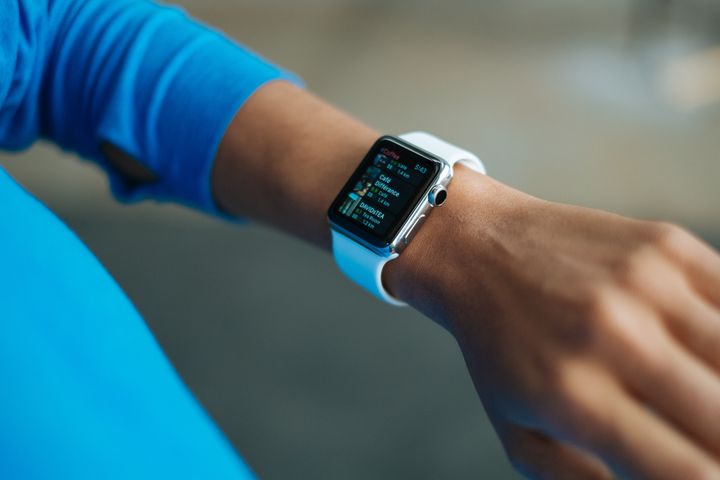
GPS watches have basically taken over the outdoor world, and honestly? Good for them. These little computers on your wrist combine navigation, weather tracking, and enough sensors to make NASA jealous.
Quick Lost Lake picks if you want the best outdoor watches without getting lost in spec soup: AMOLED Smart Watch - North Edge - GPS Smartwatch (GPS on-board with bright AMOLED clarity for training weeks), Outdoor Digital Watch - North Edge - Apache 3 (rugged, 50m waterproof, ABC sensors for when your phone taps out), and Digital Sports Watch - North Edge - Mars (waterproof, shockproof, the no-drama daily beater). Subtle flex, champ: these are our go-tos when durability, GPS features, and water-resistance actually matter out there.
The Heavy Hitters
The Garmin Fenix 8 AMOLED Sapphire is like the Swiss Army knife of outdoor watches, if Swiss Army knives cost a month's rent and could guide you through a blizzard. That AMOLED screen is chef's kiss bright, even when you're squinting through morning fog wondering why you decided 6 AM was a good start time.
For those marathon adventures where you disappear into the wilderness for weeks (and your family starts posting "missing person" flyers), the Garmin Enduro 2 offers up to 46 days of battery life with solar charging. That's longer than most people can tolerate their camping companions.
The Garmin Instinct 3 Solar hits that sweet spot for most of us regular humans who just want a reliable watch that won't die halfway through a weekend trip. It's tough enough to survive your clumsiness and smart enough to keep you from getting completely lost.
Budget-Friendly Options That Don't Suck
The Coros Pace 3 proves you don't need to sell a kidney for decent GPS functionality. At around $229, it's the friend who always offers to split the bill fairly, reliable, honest, and won't leave you broke.
Field Watches: Old School Cool
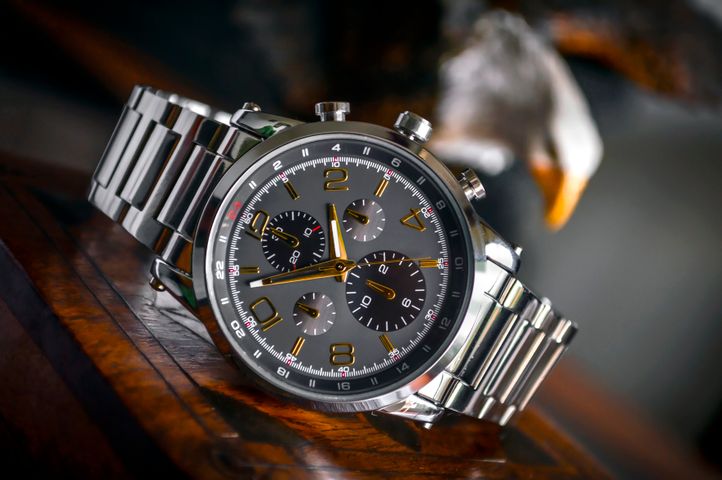
Sometimes you just want a watch that tells time and looks good doing it. Field watches are like that friend who shows up to every adventure prepared but never makes a big deal about it.
The Casio G-SHOCK Rangeman GW-9400 is basically indestructible. Seriously, this thing could probably survive being used as a hockey puck. It's got the ABC sensors (altimeter, barometer, compass) without the smartphone distractions.
For those wanting something a bit more refined, the Seiko Prospex LX Landmaster combines Japanese precision with outdoor toughness. Sure, it costs more than your first car, but it'll probably outlast your second one too.
What Actually Matters: Features That Keep You Alive

Here's where we cut through the marketing fluff and talk about what actually matters when you're three miles from the trailhead and the weather's turning sketchy.
Battery Life: Because Dead Watches Tell No Time
Look at your typical adventure length and multiply by 1.5. That's your minimum battery requirement. Day hikes? 24-48 hours is fine. Multi-day backpacking? You want 7+ days minimum. Extended expeditions where you're basically cosplaying as Bear Grylls? Go for 30+ days.
Solar charging sounds gimmicky until you're on day 12 of a thru-hike and your watch is still chugging along while your phone died somewhere around day 3.
Build Quality: Surviving Your Outdoor Fails
Titanium cases are lightweight and tough, perfect for when you inevitably trip over that root you definitely saw coming. Sapphire crystal displays resist scratches better than your ego after face-planting in front of other hikers.
Water resistance should start at 50m, but honestly, go for 100m+ unless you're one of those people who never gets caught in unexpected downpours (in which case, please share your weather prediction skills).
Navigation Features: For When "I Know Where I'm Going" Goes Wrong
Basic GPS tracking keeps a breadcrumb trail of where you've been, super helpful when that "shortcut" turns into a scenic tour of every wrong turn possible. Topographic mapping shows terrain details and can guide you around that cliff you didn't see on your phone's basic map app.
Turn-by-turn navigation is clutch for complex trail systems where every fork looks identical and your sense of direction is as reliable as airport WiFi.
Budget Reality Check: Getting Bang for Your Buck

Under $300: The "I'm Not Ready to Commit" Tier
The Coros Pace 3 and Suunto Core live here. You get solid GPS basics and enough features to keep you oriented without breaking the bank. Perfect for testing the outdoor watch waters before diving deeper.
$300-600: The Sweet Spot
This is where most people should be shopping. The Garmin Instinct 3 Solar and COROS APEX 2 offer professional-level features without the premium price tag. You get reliability, decent battery life, and enough tech to feel fancy.
$600+: The "I'm Serious About This" Investment
Garmin Fenix 8, Suunto Vertical Solar Titanium, and similar models live in this range. These watches have everything, premium materials, extended battery life, and enough features to plan a moon landing. Worth it if you're consistently pushing limits or just really like having the best gear.
The Bottom Line: What Actually Works
After all the specs and marketing hype, here's what matters: reliability, battery life, and features that match how you actually adventure.
For most weekend warriors and casual hikers, the Garmin Instinct 3 Solar offers the best balance of durability, features, and price. It won't win any beauty contests, but it'll keep working when everything else gives up.
Serious backcountry folks should consider the Garmin Fenix 8 AMOLED or Enduro 2. Yes, they cost more than some people's monthly rent, but when you're depending on navigation in sketchy conditions, that investment pays dividends.
Budget-conscious adventurers can't go wrong with the Coros Pace 3. It covers the essentials without unnecessary bells and whistles that drain your battery and your wallet.
Remember, the best outdoor watch is the one you'll actually wear and trust. Whether that's a $200 basic GPS unit or a $1,000 expedition computer depends on your adventures, your budget, and how much you enjoy explaining why your watch costs more than most people's laptops.
Whatever you choose, make sure it fits your wrist and your adventures. Because the only thing worse than getting lost is getting lost while wearing an uncomfortable watch that died three hours into your hike.
Stay safe out there, and don't forget to pack the essentials that complement your new timepiece.


