

How Nature Creates a Mental Reset (Without Big Adventures)
You know that feeling when your brain feels like a computer with 47 tabs open, three of them playing music, and your mental RAM is basically crying for help? Yeah, that's where most of us live these days. The good news? You don't need to book a week-long wilderness expedition or become some hardcore outdoorsy person to give your mind the reset it's desperately asking for.
Here's the thing that might surprise you: nature creates mental resets through the most ordinary, everyday experiences. We're talking about stuff so simple you might roll your eyes, until you actually try it.
What Even Is a Mental Reset in Nature?
Let's get real about what we mean by "mental reset" because it's not some mystical, Instagram-worthy transformation (though those sunrise photos do hit different). A mental reset in nature is basically your brain getting to take off its work clothes and put on some comfy sweatpants.
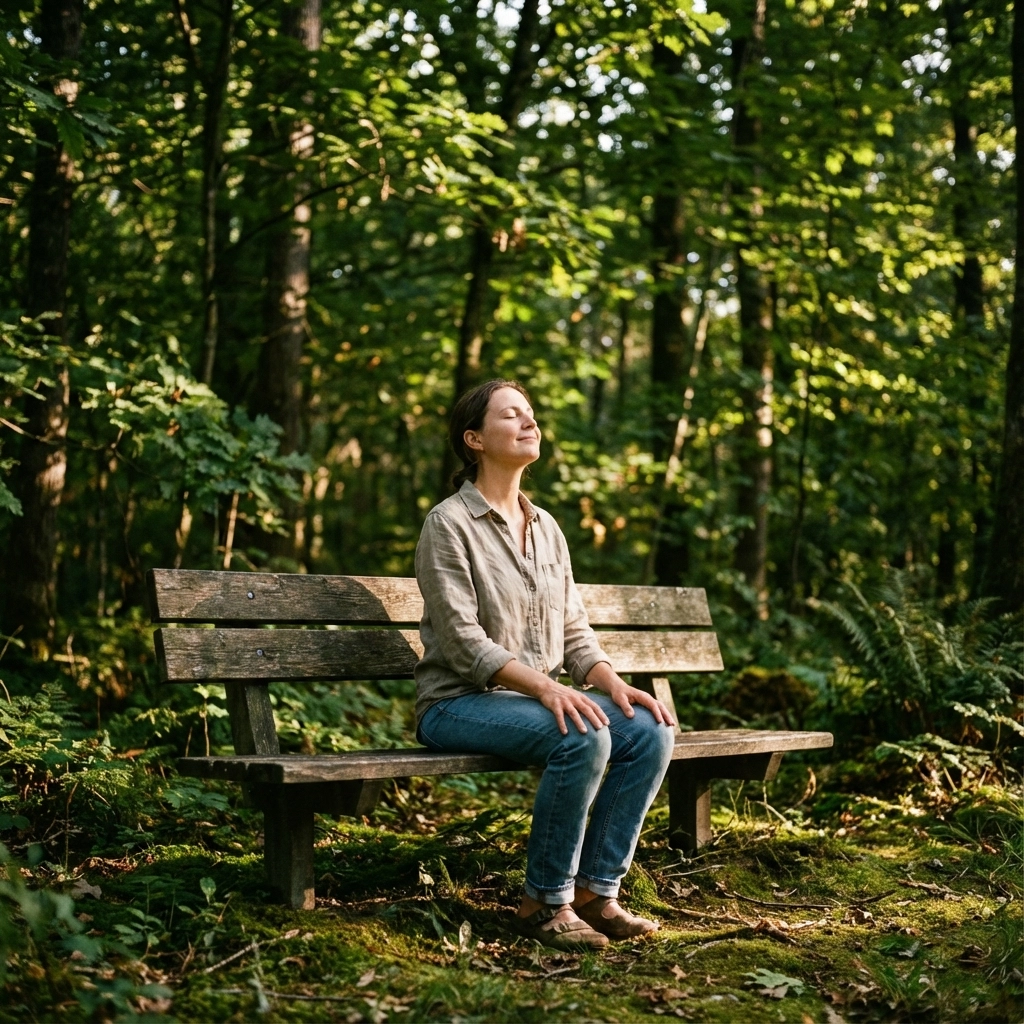
When you step outside, whether it's a park, your backyard, or even just sitting under a tree, your mind shifts gears. Instead of constantly processing notifications, deadlines, and that weird noise your car's been making, your brain gets to focus on simpler things. Like how the leaves sound in the wind or why that squirrel seems to have a personal vendetta against the bird feeder.
Scientists call this "Attention Restoration Theory," which sounds fancy but basically means your brain stops working overtime and remembers how to chill. Your nervous system literally changes modes, moving from "everything is urgent" to "okay, we can breathe now."
Why Your Brain Craves This Stuff
Your brain is wired to respond to nature, even if you've spent the last five years primarily interacting with screens. When you're outside, two major things happen that don't require you to hike 10 miles or know the difference between a pine and a fir tree.
First, your attention gets to be "soft" instead of "directed." In normal life, you're constantly focusing on specific things, emails, conversations, not walking into glass doors. In nature, your attention can wander and rest on whatever catches your eye without any pressure to DO something about it. That bird over there? Cool. Those clouds? Nice. No action items, no follow-ups required.
Second, nature activates what's called your parasympathetic nervous system, basically your body's built-in chill mode. Your heart rate slows down, your stress hormones take a coffee break, and your muscles actually relax (you didn't even realize they were tense, did you?).
The beautiful thing is this happens whether you're in Yellowstone or the tiny park next to the grocery store. Your brain doesn't discriminate when it comes to green spaces.
Small Steps That Actually Work
Here's where we throw out everything you think you know about "getting into nature." You don't need special gear, you don't need to be in shape, and you definitely don't need to document it for social media.
The 15-Minute Rule
Research shows that hanging out in green spaces for just 15 minutes, four times a week, measurably improves your mood and reduces stress. That's less time than your average Netflix episode. We're talking about walking around the block, sitting in a park during lunch, or even just standing in your yard and actually looking around instead of immediately checking your phone.
The Lunch Break Reset
Instead of eating at your desk while scrolling through news that makes you question humanity, try eating outside. Find a bench, a patch of grass, anywhere with a bit of green. You're still eating lunch, you're just changing the scenery. Your brain will thank you for the change of pace.
The Window Strategy
Okay, this one sounds almost too simple, but bear with me. If you work indoors, position yourself near a window with a view of trees, plants, or even just the sky. Studies show that even looking at nature (not just being in it) helps reduce mental fatigue. It's like giving your brain a mini-vacation between meetings.
The Everyday Reset Menu
Think of these as different flavors of mental reset, pick what works for your day, your mood, your energy level.
The Commute Tweak
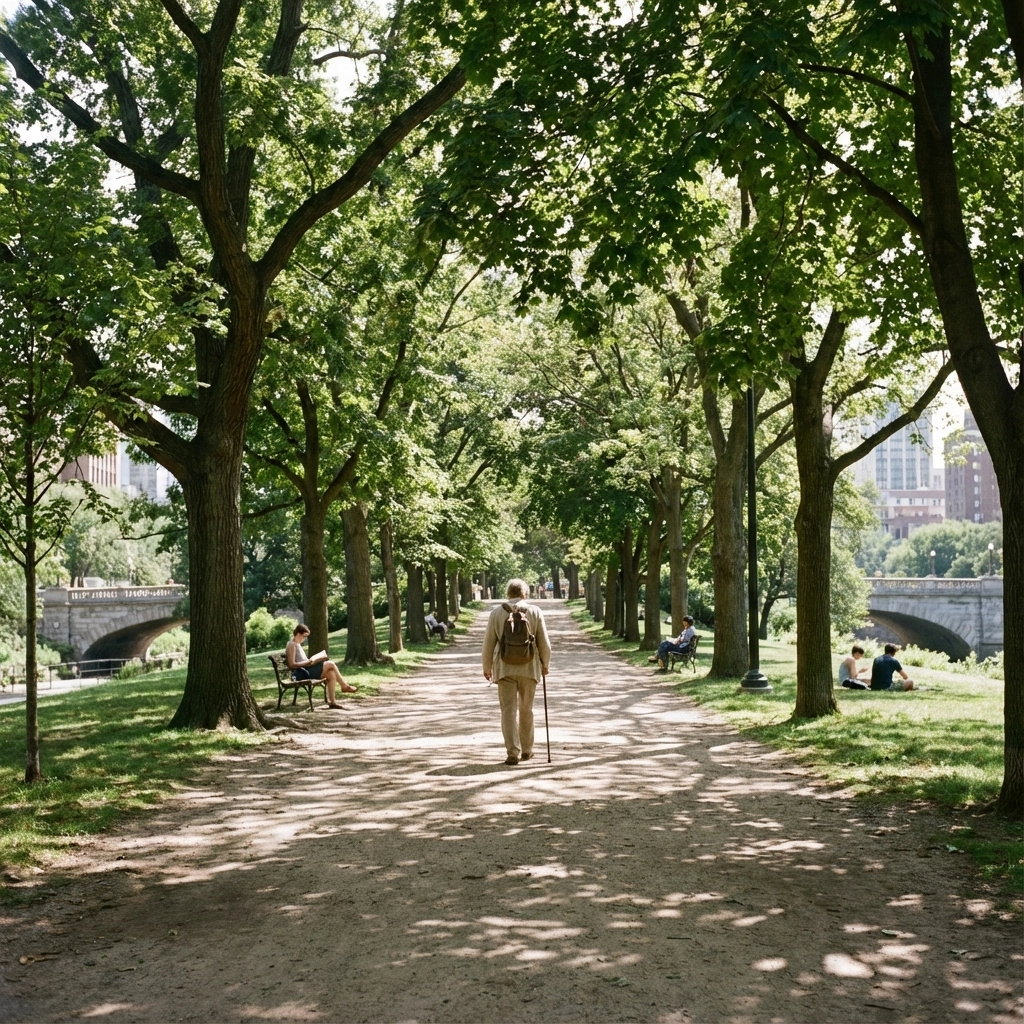
If you normally take the most direct route somewhere, try going a way that passes through a park or tree-lined street. You're going anyway; you're just choosing the version that gives your brain something pleasant to look at. (Bonus: you might discover that coffee shop you never knew existed.)
The Mindless Walking Upgrade
Instead of walking while thinking about your to-do list or listening to a podcast about productivity, try walking while just... walking. Notice stuff. The way shadows fall, how many different birds you can hear, whether that dog across the street is having the best day ever. Your brain gets to be curious instead of productive for once.
The Sitting Outside Revolution
This one's revolutionary in its simplicity: just sit outside. Bring your coffee, bring a book, bring nothing. Sit on your front steps, find a park bench, claim a spot under a tree. You're not trying to achieve anything or optimize anything. You're just existing in a different environment for a bit.
Why This Isn't Just Hippie Nonsense
Look, we get it. "Touch grass" became internet slang for a reason, and sometimes nature advice can sound like someone's trying to sell you essential oils and crystals. But the research on this stuff is solid and comes from actual neuroscientists, not just wellness influencers.
Studies consistently show that people who spend regular time in nature (even urban green spaces) have lower rates of anxiety and depression. Your brain literally processes stress differently when you're around natural environments. It's not magic, it's biology.
The key finding that changes everything? Frequency beats intensity every single time. People who visit green spaces regularly, even briefly, show better mental health outcomes than people who take occasional long nature trips. Your Tuesday lunch in the park matters more than waiting for that perfect weekend hiking opportunity.
When Life Feels Too Hectic for Even This
We know. Some weeks, even 15 minutes feels like a luxury you can't afford. Here are the absolute bare-minimum versions that still count:
- Step outside for two minutes while your coffee brews
- Eat one meal per week outside, even if it's just on a balcony
- Walk to the mailbox the long way around
- Water plants (yes, interacting with nature counts, even if it's houseplants)
- Look up at the sky when you're walking to your car
The goal isn't to become an outdoorsy person overnight. It's to give your overstimulated brain tiny breaks throughout the week. Think of it as mental hygiene: like brushing your teeth, but for your stress levels.
Building This Into Real Life
The best outdoor mental reset routine is the one you'll actually do. Start embarrassingly small. We're talking "I will step outside and take three deep breaths" small. Once that feels automatic, maybe you add a two-minute walk around the building. Then maybe you start eating lunch outside on nice days.
The magic happens when these little moments stop feeling like a big deal and just become part of how you move through your day. You start noticing that you feel different on days when you skip your outdoor time. Your body starts craving that brief change of environment.
At Lost Lake Outdoor, we believe in making these everyday outdoor moments as simple and accessible as possible. Whether you're grabbing five minutes between meetings or finally taking that lunch break outside, the goal is always the same: helping your mind find a moment of calm in an overwhelming world.
The most important thing to remember? There's no wrong way to do this. Your mental reset might look like sitting on a park bench for 10 minutes. Someone else's might be a 30-minute walk around the neighborhood. Both count. Both help. Both are enough.
So tomorrow, when your brain starts feeling like that computer with too many tabs open, try stepping outside for just a few minutes. No agenda, no goals, no optimization required. Just you, getting a brief change of scenery, letting your mind remember what it feels like to rest.
Your future self will thank you for it: probably while sitting peacefully under a tree somewhere, wondering why it took so long to make this simple thing a habit.


