

Hiking For Mindfulness: Simple Outdoor Practices That Calm Your Inner Critic
Ever notice how your brain becomes this non-stop commentary machine the second you sit still? Like, suddenly you're getting a full dissertation on everything you did wrong last Tuesday, mixed with a healthy dose of anxiety about next month's deadlines. Yeah, we've all been there.
Here's the thing though, hiking for mindfulness might just be the secret weapon your stressed-out brain has been waiting for. And before you roll your eyes thinking this is some woo-woo nonsense, stick with me. There's actual science behind why combining mindful practices with outdoor time can seriously dial down that inner critic that loves to roast you 24/7.
Why Your Inner Critic Goes Wild (And How Nature Helps)
Your inner critic is basically that friend who thinks they're being helpful by pointing out every possible way you could fail. It's evolved to keep you safe, but in our modern world, it mostly just keeps you stressed.
Research shows that spending time in nature activates your parasympathetic nervous system, the "rest and digest" mode that naturally counteracts stress hormones. When you're hiking mindfully, you're essentially giving your overworked brain a much-needed break from the constant mental chatter.
The science is pretty cool: Studies have found that just 20 minutes in nature can significantly lower cortisol levels (that's your stress hormone). But when you add mindfulness practices to the mix? That's when the magic really happens.
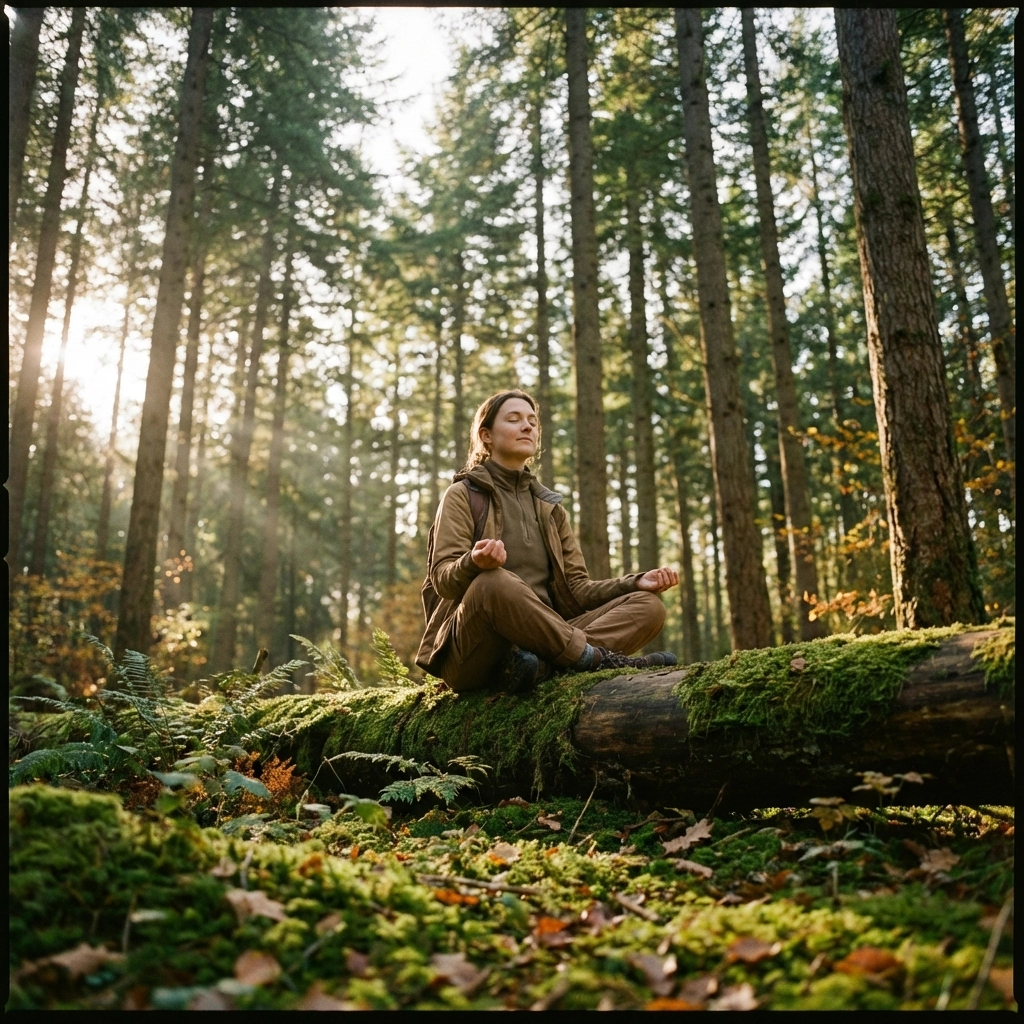
Getting Started: Mindfulness Hiking Basics for Beginners
Okay, so what does "mindful hiking" actually look like? Don't worry, you don't need to sit in lotus position on a mountaintop (though if that's your vibe, go for it).
Start Small, Think Big
Your first mindful hike doesn't need to be an epic 10-mile adventure. Seriously, even a 20-minute walk on your local nature trail counts. The goal isn't distance; it's presence.
Pick a trail that feels manageable, somewhere you can focus on the experience rather than just surviving it. Save the challenging terrain for when you're more comfortable with the practice.
Leave the Distractions Behind
This one's tough because we're all basically surgically attached to our phones, but hear me out. Put that thing on airplane mode or (radical idea) leave it in the car.
You want your attention fully available for what's happening around you, not getting yanked away every time someone likes your Instagram story.
Simple Outdoor Practices That Actually Work
The 5-4-3-2-1 Grounding Technique
This is probably the easiest mindfulness practice to start with, and it works like a charm for quieting mental chaos:
- 5 things you can see (that weird-shaped cloud, the way light hits the leaves)
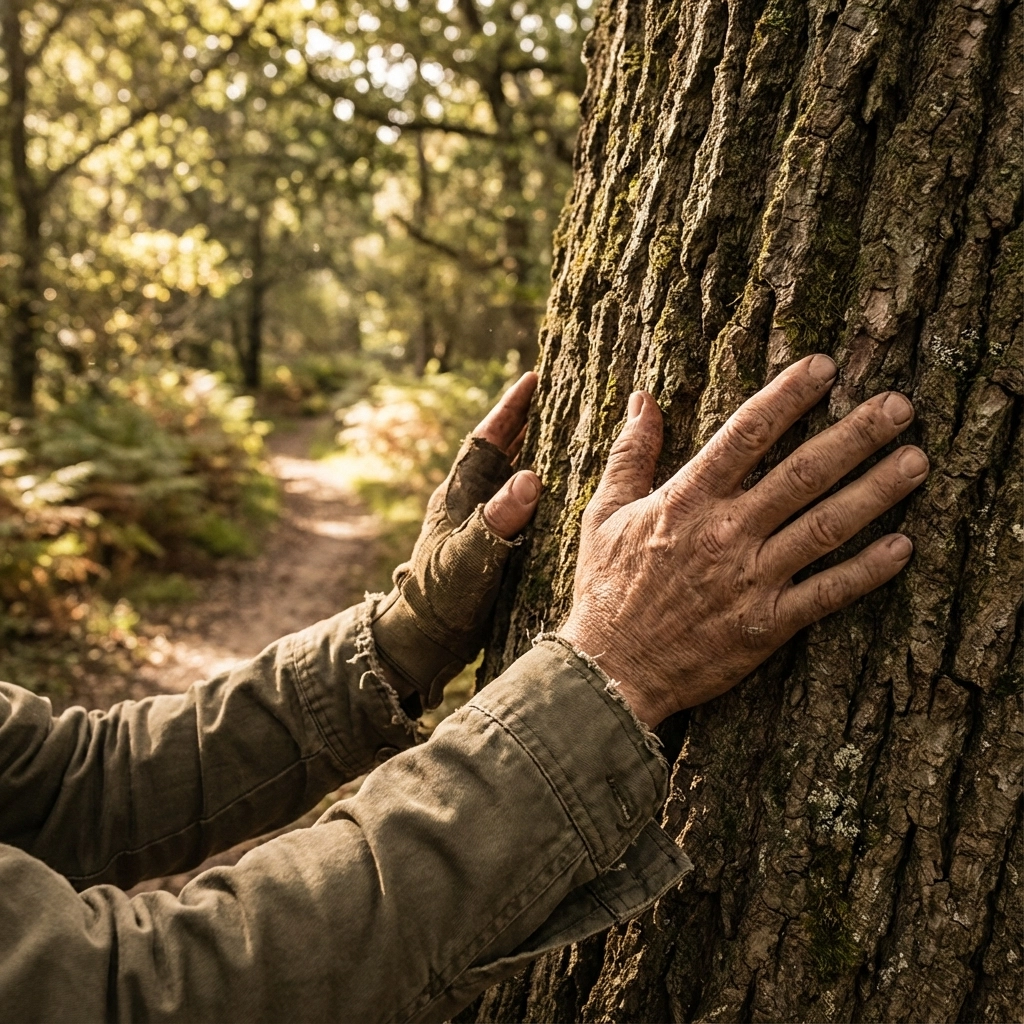
- 4 things you can touch (tree bark, your backpack straps, the cool air)
- 3 things you can hear (birds, wind, your footsteps)
- 2 things you can smell (pine, dirt, that fresh outdoor scent)
- 1 thing you can taste (mint gum, water, or just the clean air)
This technique basically hijacks your worried brain and forces it to focus on the present moment instead of spiraling about that thing you said weird three years ago.
Breath-Step Coordination
Here's a simple rhythm that feels surprisingly meditative: try matching your breathing to your steps. Maybe inhale for 4 steps, exhale for 4 steps. Or whatever feels natural.
Don't stress about getting it "perfect", the point is just creating a gentle focus that keeps your mind from wandering into its usual anxiety-fest territory.

If you're someone who likes structure, a rugged outdoor watch can be helpful for timing breathing intervals during longer hikes, though honestly, your internal rhythm is usually the best guide.
Sensory Spotlights
Every 10-15 minutes, just stop walking and pick one sense to focus on completely for about a minute:
- Vision: Really look at something, the texture of bark, how shadows fall, color variations in leaves
- Sound: Close your eyes and just listen. You'll be amazed at all the layers of sound you usually miss
- Touch: Feel different textures as you walk, smooth stones, rough bark, soft moss
This practice is like giving your inner critic a timeout because it's too busy processing sensory information to run its usual negative commentary.
The Mental Health Benefits (Backed by Actual Science)
Stress Hormone Reset
When you practice mindfulness outdoors, your body literally changes its chemistry. Cortisol drops, endorphins rise, and your nervous system shifts into that calm, restorative mode.
It's like hitting the reset button on your stress levels, which means your inner critic loses a lot of its power. Hard to catastrophize about everything when your body is flooded with feel-good chemicals.
Perspective Shifts
There's something about being surrounded by trees, mountains, or even just a decent-sized park that reminds you how small most of your worries actually are. Not in a dismissive way, but in a "oh right, there's a whole world out here" way.
This natural perspective shift is incredibly powerful for breaking the tunnel vision that anxiety and self-criticism create.
Present Moment Anchoring
Your inner critic is basically a time traveler: it loves dwelling on past mistakes and future fears. But mindfulness hiking keeps you anchored right here, right now.
And guess what? Your inner critic can't really operate in the present moment. It needs that mental time travel to function, so when you stay present, you're literally cutting off its power source.
Creating Your Personal Mindful Hiking Practice
Pick Your Trail Vibe
Some people love challenging mountain paths for their mindfulness practice, while others prefer gentle forest loops. There's no "right" choice: just what works for your brain and fitness level.
Beginners often do better on familiar trails where navigation doesn't require much mental energy, leaving more bandwidth for mindfulness.
Gear That Supports, Doesn't Distract
Keep it simple. You don't need fancy equipment, but a few basics can enhance your practice:
- Comfortable, lightweight backpack for water and snacks
- A small sit pad for meditation breaks (trust me, finding a comfortable spot to sit and breathe for a few minutes can be game-changing)
- Layers for weather changes so you're not distracted by being too hot or cold
The idea is to have what you need without being weighed down by gear anxiety.
Building the Habit
Start with whatever frequency feels sustainable. Maybe it's once a week, maybe it's a 15-minute mindful walk during lunch breaks. Consistency matters more than intensity.
Your inner critic loves perfectionism, so don't let it hijack this practice with unrealistic expectations about how often you "should" be doing this.
FAQ: Mindful Hiking Questions Everyone Has
Q: Do I need meditation experience to try mindful hiking? A: Not at all! In fact, some people find mindful hiking easier than traditional sitting meditation because the movement and nature provide natural anchors for attention. If your mind usually races during sitting meditation, the gentle activity of walking can actually be more accessible.
Q: What if my mind keeps wandering during the hike? A: That's completely normal: minds wander, it's what they do. The practice isn't about having zero thoughts; it's about noticing when you've wandered and gently bringing attention back to the present. Think of it like training a puppy; you wouldn't get mad at the puppy for being distractible.
Q: How long should a mindful hike be to get mental health benefits? A: Research suggests even 20 minutes in nature can reduce stress hormones. For mindfulness benefits, anything from 10 minutes to several hours can be effective. Start with whatever feels manageable and build from there.
Q: Can I practice mindful hiking in urban parks or does it need to be "real" nature? A: Urban green spaces absolutely count! The key is having some natural elements: trees, grass, sky: and reducing urban distractions as much as possible. A city park can be just as effective as a mountain trail for mindfulness practice.
Q: What if I feel silly or self-conscious practicing mindfulness outdoors? A: Totally understandable! Most of these practices just look like someone enjoying a walk. You're not chanting or doing anything that draws attention. Remember, you're doing something scientifically proven to benefit your mental health: that's pretty badass, actually.
Making It Stick: Your Inner Critic's Kryptonite
The beautiful thing about mindful hiking is that it gets easier and more effective over time. Your brain literally rewires itself to default to more present-moment awareness instead of anxious future-tripping or past-regret spirals.
Start small, be consistent, and don't let perfect be the enemy of good. Your inner critic might try to tell you you're "doing it wrong" or that you should be achieving some zen master state immediately. Just notice those thoughts, acknowledge them like clouds passing through your mental sky, and keep walking.
The trail doesn't judge your pace, your thoughts, or your technique. It just offers space for you to remember who you are underneath all that mental chatter. And honestly? That person is pretty great.
Keep exploring, stay curious, and let nature do what it does best: remind you that peace is always available, one mindful step at a time. For more outdoor mental wellness tips and beginner guides, check out more outdoor blogs from Lost Lake Outdoor.


