

How To Build Your First Adventure Kit: Essentials For Any Spontaneous Outdoor Escape
Let's be real for a second, you've probably been there. You're scrolling through Instagram, see someone's epic trail photo, and think "I could totally do that right now." But then reality hits: you don't have a clue what to actually bring on a spontaneous outdoor adventure. Your first adventure kit doesn't need to cost a fortune or weigh as much as a small car, but it absolutely needs to keep you safe and comfortable when Mother Nature decides to throw you a curveball.
Building your first adventure kit is like putting together the ultimate "just in case" collection that'll have your back whether you're planning a quick afternoon hike or find yourself unexpectedly camping under the stars. The key? Think lightweight, versatile, and beginner-friendly. We're talking about gear that won't intimidate you but will definitely impress when it counts.
The Foundation: Your Adventure Kit Base
Every solid adventure kit starts with the right foundation, and that's your pack. You don't need some massive mountaineering backpack for your first kit (save that for when you're ready to tackle Everest, champ). A quality daypack with multiple compartments and external attachment points gives you the organizational power to actually find your stuff when you need it.
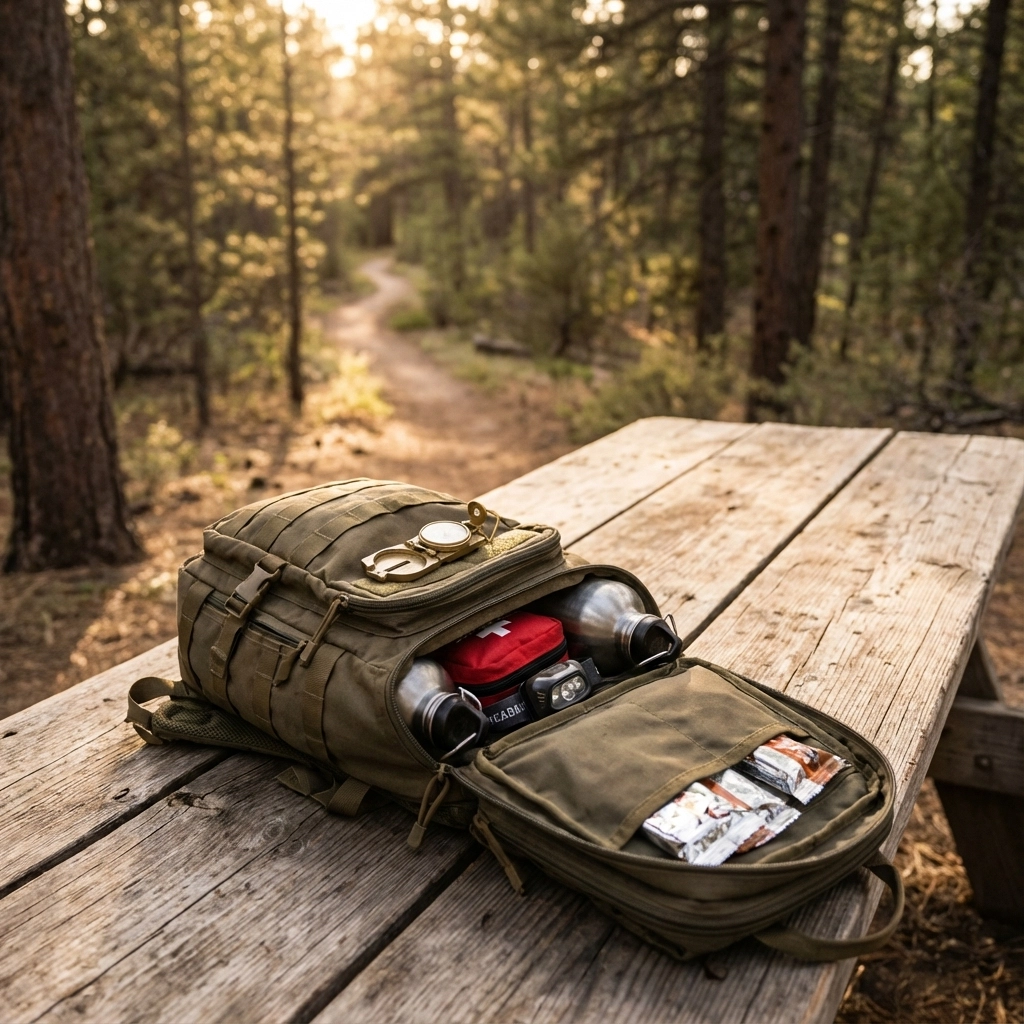
Look for packs with built-in hydration compatibility because nobody wants to play Tetris with water bottles when they're already juggling snacks, safety gear, and that portable phone charger you definitely need. The Travelers Backpack offers that sweet spot of durability and organization without the bulk, perfect for beginners who want to stay organized without feeling like they're carrying their entire apartment.
Pro tip: Start small and upgrade as you get more adventurous. Your first kit should feel manageable, not overwhelming.
Navigation Essentials: Because Getting Lost Isn't Always Fun
Yeah, we know: your phone has GPS. But what happens when your battery dies or you venture into one of those dead zones that seem to exist specifically to mess with your weekend plans? That's where old-school navigation tools become your best friends.
A basic compass and topographic map of your area are non-negotiables for your adventure kit. They're lightweight, never need charging, and honestly make you feel like a total outdoors badass. For shorter, well-marked trails, a simple compass does the trick. But if you're planning to venture into more remote areas, consider adding a GPS device or personal locator beacon to your kit.
Real talk: Learning to use a compass isn't as intimidating as it seems. Spend an afternoon in your local park practicing, and you'll be navigating like a pro in no time.
Lighting: When the Sun Decides to Clock Out Early
Nothing ruins a spontaneous adventure quite like realizing you're going to be hiking in the dark (unless that was the plan, in which case, you're ahead of the game). A quality headlamp is absolutely essential for your adventure kit: it keeps your hands free and lights up exactly where you're looking.
Pack extra batteries because Murphy's Law loves outdoor adventures. Your headlamp will definitely die at the worst possible moment, so be ready for it. Consider rechargeable options for regular use, but always carry backup disposable batteries for emergencies.
Beginner mistake to avoid: Don't cheap out on lighting. A reliable headlamp can literally be the difference between a memorable adventure and a search-and-rescue situation.
Weather Protection: Mother Nature's Mood Swings
Weather can change faster than your relationship status in college, so your adventure kit needs to be ready for anything. Pack layers beyond what you think you'll need: a lightweight rain jacket, insulating layer, and sun protection are non-negotiables.
Sunglasses and sunscreen might seem obvious, but you'd be surprised how many people forget these basics. A thermal emergency blanket weighs almost nothing but can serve as emergency shelter, a warming layer, or even an impromptu picnic blanket when you find that perfect lunch spot.
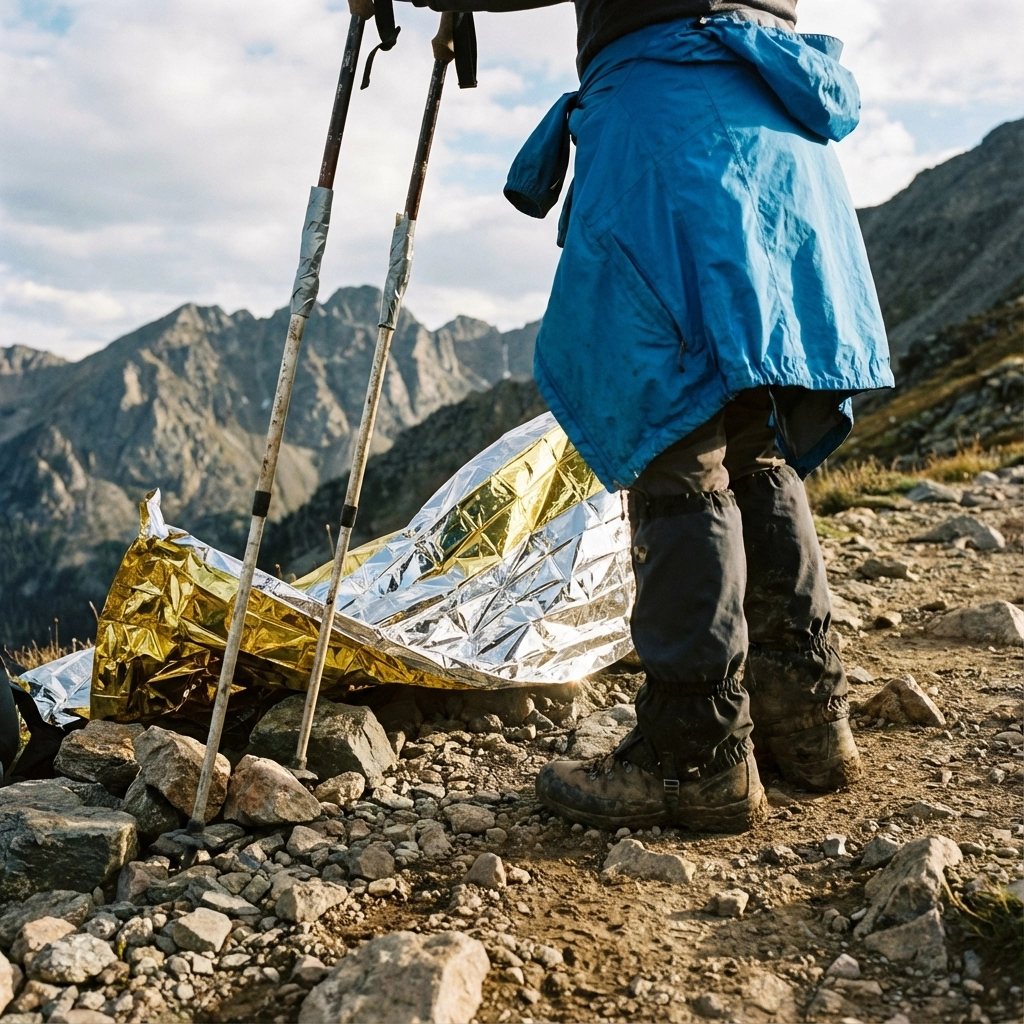
Don't forget about extremities: your hands and head lose heat faster than you'd think. Lightweight gloves and a beanie take up minimal space but can make the difference between comfort and misery.
Safety and First Aid: Your Adventure Insurance Policy
Your first aid kit doesn't need to look like a mobile hospital, but it should cover the basics. Bandages, antiseptic wipes, blister treatment (moleskin is a hiker's best friend), and any personal medications you might need.
Include a whistle for emergency signaling: three sharp blasts is the universal distress signal. A small knife or multi-tool handles everything from gear repairs to food prep to emergency situations. Look for lightweight options that pack multiple functions without adding bulk to your kit.
Space-saving hack: Pre-cut some duct tape and wrap it around your hiking poles or water bottle. It weighs nothing but fixes almost everything.
Fire and Emergency Tools: When Things Get Real
Fire-starting capability is crucial, even for day hikes. Pack multiple methods because redundancy saves lives. Waterproof matches, a reliable lighter, and fire starter cubes give you options when conditions get challenging.
A thermal emergency bivy or lightweight tarp provides basic shelter if you end up spending an unexpected night outdoors. These items weigh almost nothing but can be absolute lifesavers in emergency situations.
Food and Hydration Strategy
Always pack more water than you think you need, plus a water treatment method for longer adventures. Portable water filters or purification tablets weigh almost nothing but expand your options dramatically.
For food, focus on high-energy, non-perishable items that won't turn into a soggy mess if your pack gets wet. A Tactical Lunch Box keeps your food organized and protected: especially useful for spontaneous full-day adventures where you want your sandwich to actually look like a sandwich when lunch time rolls around.
Energy hack: Pack a mix of quick energy (like energy bars) and sustained energy (like nuts or jerky) to fuel different parts of your adventure.
Frequently Asked Questions
Q: How much should my first adventure kit weigh? A: Your base adventure kit should weigh between 3-5 pounds maximum. If it's heavier than that, you're probably overpacking or need to evaluate your gear choices. Remember, you'll be adding water, food, and activity-specific gear on top of this base weight.
Q: Can I use my regular backpack for hiking adventures? A: While you can start with any backpack, outdoor-specific packs have features that make adventures more enjoyable: like external attachment points, water resistance, and better weight distribution. Upgrade when your current pack starts limiting your adventures.
Q: How often should I update my adventure kit? A: Check your kit every few months, especially batteries, food items, and first aid supplies. Replace expired items immediately and consider gear upgrades based on your evolving adventure style and experience level.
Q: What's the biggest mistake beginners make with adventure kits? A: Overpacking. New adventurers often bring way too much "just in case" gear. Start light and add items based on actual need and experience. Your shoulders will thank you.
Q: Should I buy everything at once or build my kit gradually? A: Build gradually! Start with safety essentials (navigation, first aid, emergency shelter) and add comfort items as your budget and experience grow. This approach also helps you understand what gear actually matters for your adventure style.
Your first adventure kit is really about confidence and preparedness, not having the most expensive gear on the market. Start with these essentials, test them on shorter adventures, and upgrade based on what you actually use and need. The best adventure kit is the one you'll actually carry and know how to use when it matters.
Keep exploring, stay curious, and remember: every expert was once a beginner who decided to take that first step outside. For more outdoor tips and beginner-friendly guides, follow Lost Lake Outdoor.
First adventure kit Adventure kit essentials Beginner hiking gear Outdoor emergency kit Hiking safety equipment Spontaneous hiking gear Lightweight adventure pack Outdoor survival kit for beginners Day hike essentials Emergency outdoor gear


