

Essential Tips for Packing, Prepping, and Planning Outdoor Adventures
Look, we've all been there. You're pumped for your epic outdoor adventure, only to realize halfway up the trail that you forgot your headlamp, packed three pairs of the same sock, and brought enough snacks to feed a small army (but somehow forgot water purification tablets). Don't worry, champ – we're about to fix all that.
Planning an outdoor trip doesn't have to feel like rocket science, but there are definitely some common pitfalls that'll turn your dream adventure into a survival nightmare. Let's break down the most common problems people face and give you some dead-simple solutions that actually work.
The Great Overpacking Disaster (And How to Avoid It)
Problem: You pack like you're moving to Mars permanently, bringing 47 "just in case" items that you'll never touch.
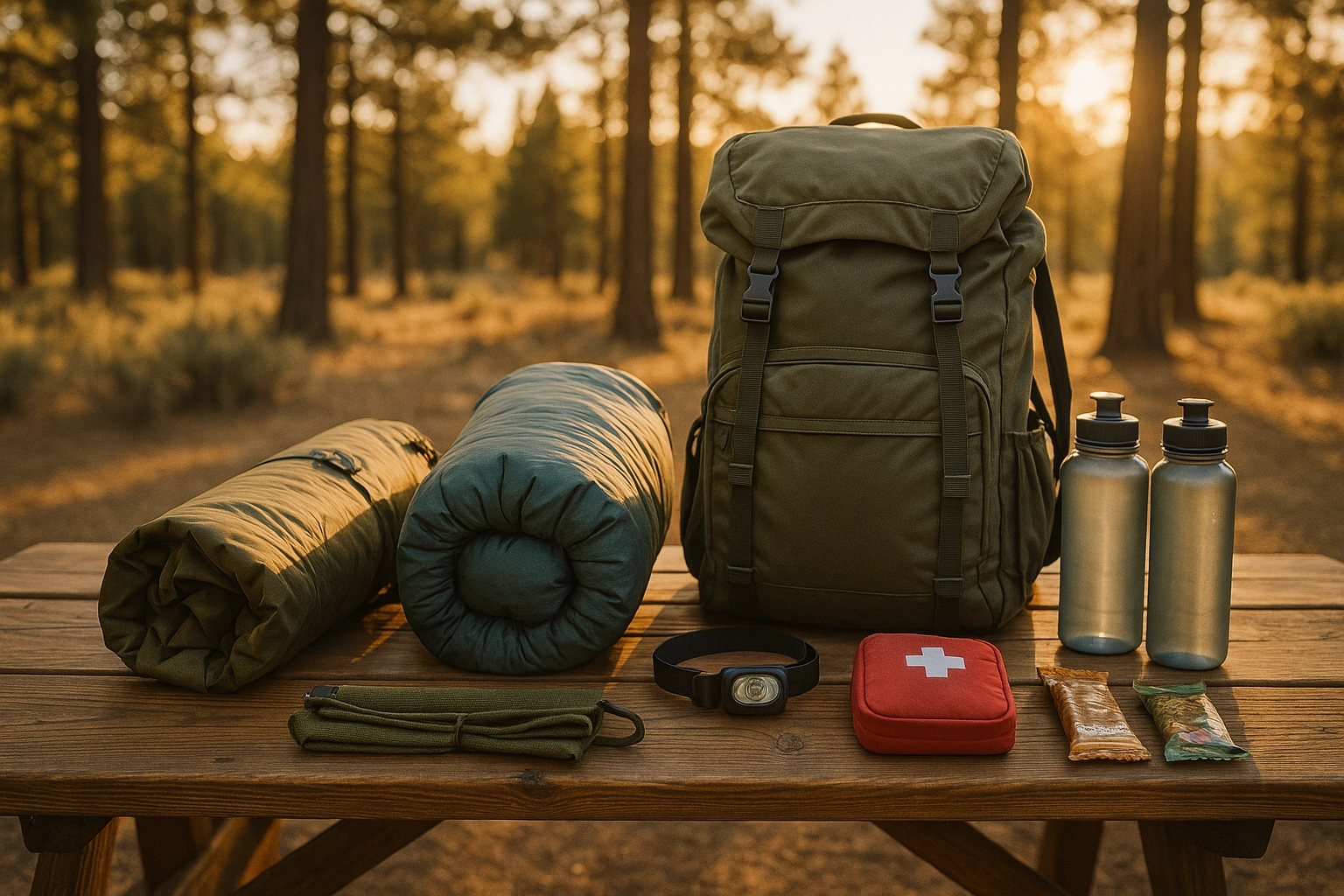
Solution: Follow the "Will I literally die without this?" test. If the answer is no, it probably stays home. Start with the essentials: shelter, sleep system, food, water, navigation, and safety gear. Everything else is a luxury.
Here's the thing – every ounce counts when you're carrying your life on your back. That extra camp chair might seem nice, but when you're mile 8 into a 12-mile day, you'll be cursing that chair's entire existence (even the comfy foldable moon chairs have weight, so save them for chill campsite hangs). If you do trim anywhere, start with the pack itself — a tough, dialed-in carry from our rugged backpacks category keeps weight balanced and gear organized without the dead weight.
Pro tip: Lay everything out the night before and remove 20% of what you initially packed. Trust me, you won't miss it.
The "Oops, Forgot Something Critical" Syndrome
Problem: You remember the portable espresso maker but forget the water filter. Priorities, right?
Solution: Make a master checklist and check it twice (Santa style). Break it down by category:
The Non-Negotiables:
- Shelter (tent, hammock, whatever keeps you dry)
- Sleep system (sleeping bag rated for actual temps, not wishful thinking)
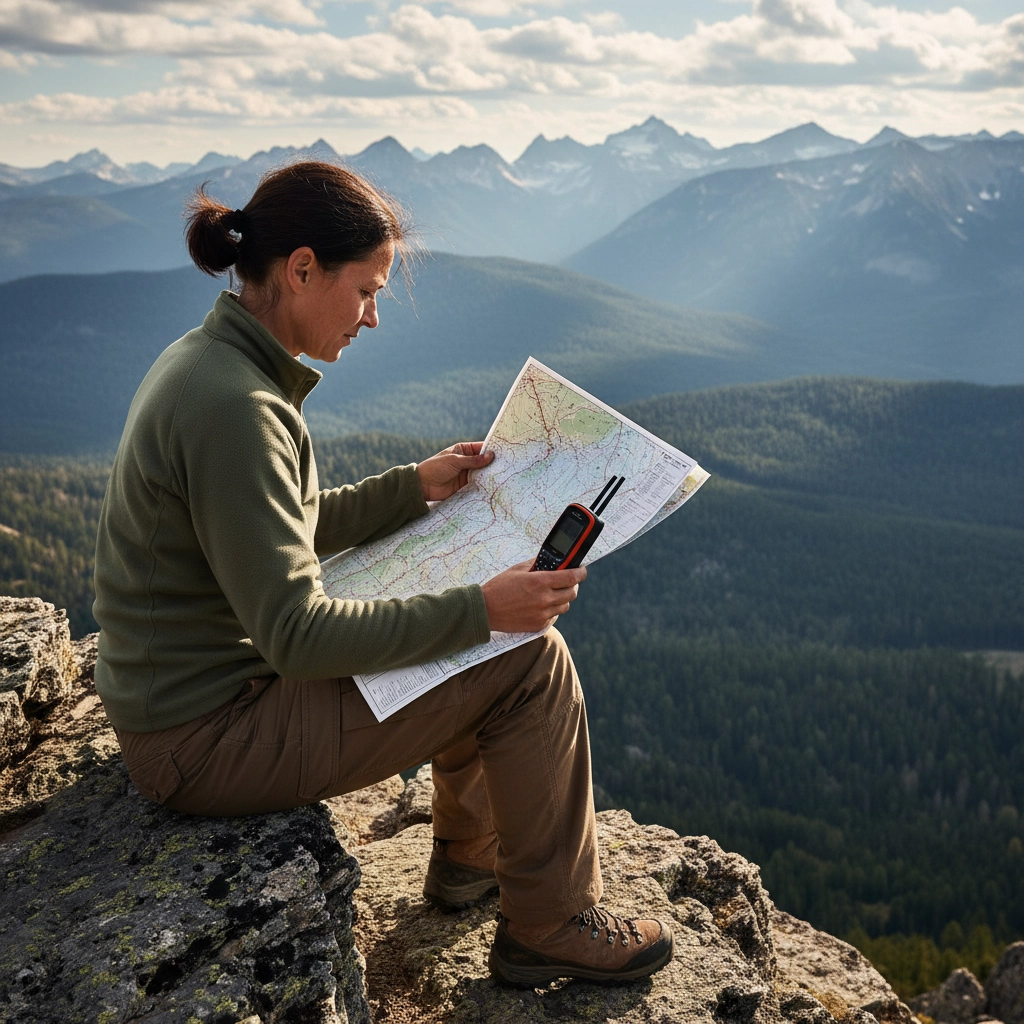
- Navigation (map, compass, GPS device)
- Water purification (filter, tablets, or UV sterilizer)
- First aid kit (band-aids won't fix everything, but they'll fix a lot)
- Headlamp with extra batteries
- Multi-tool or knife
The "You'll Thank Me Later" Items:
- Extra socks (wet feet = miserable you)
- Rain gear (because weather apps lie)
- Fire starter (matches get wet, lighters fail)
- Emergency shelter (space blanket or bivy)
Keep this list on your phone and literally check off each item as you pack. Yeah, it feels like overkill until you're not the person asking to borrow toilet paper at 2 AM. If you're building your kit from scratch, skim our outdoor essentials (read: survival gear that actually pulls its weight) so you’re not MacGyvering a splint out of tent stakes at 3 AM.
Route Planning: When Your GPS Becomes Your Enemy
Problem: You picked a route based on how pretty it looked on Instagram, not on your actual fitness level or experience.
Solution: Be brutally honest about your abilities. That 15-mile mountain trek with 3,000 feet of elevation gain? Maybe start with something that won't require a helicopter rescue.
Smart Planning Steps:
- Check recent trip reports – Real people sharing real experiences beat guidebook descriptions every time
- Look at elevation profiles – Flat miles and mountain miles are NOT the same thing
- Plan for 1-2 mph average – This accounts for breaks, photos, and getting slightly lost
- Have a bail-out plan – Know where you can exit early if things go south
Use apps like AllTrails or Gaia GPS, but always bring a physical map as backup. Technology fails exactly when you need it most (Murphy's Law of the outdoors). A legit adventure watch with ABC sensors/GPS is a nice safety net when your phone decides to go full "buffering..." in the backcountry.
The Food Situation: Feast or Famine
Problem: You either pack nothing but energy bars and regret every bite, or you bring a full kitchen and wonder why your pack weighs more than your car.
Solution: Plan meals like you're meal-prepping for the gym, but with more calories and less Instagram potential.
Easy Food Strategy:
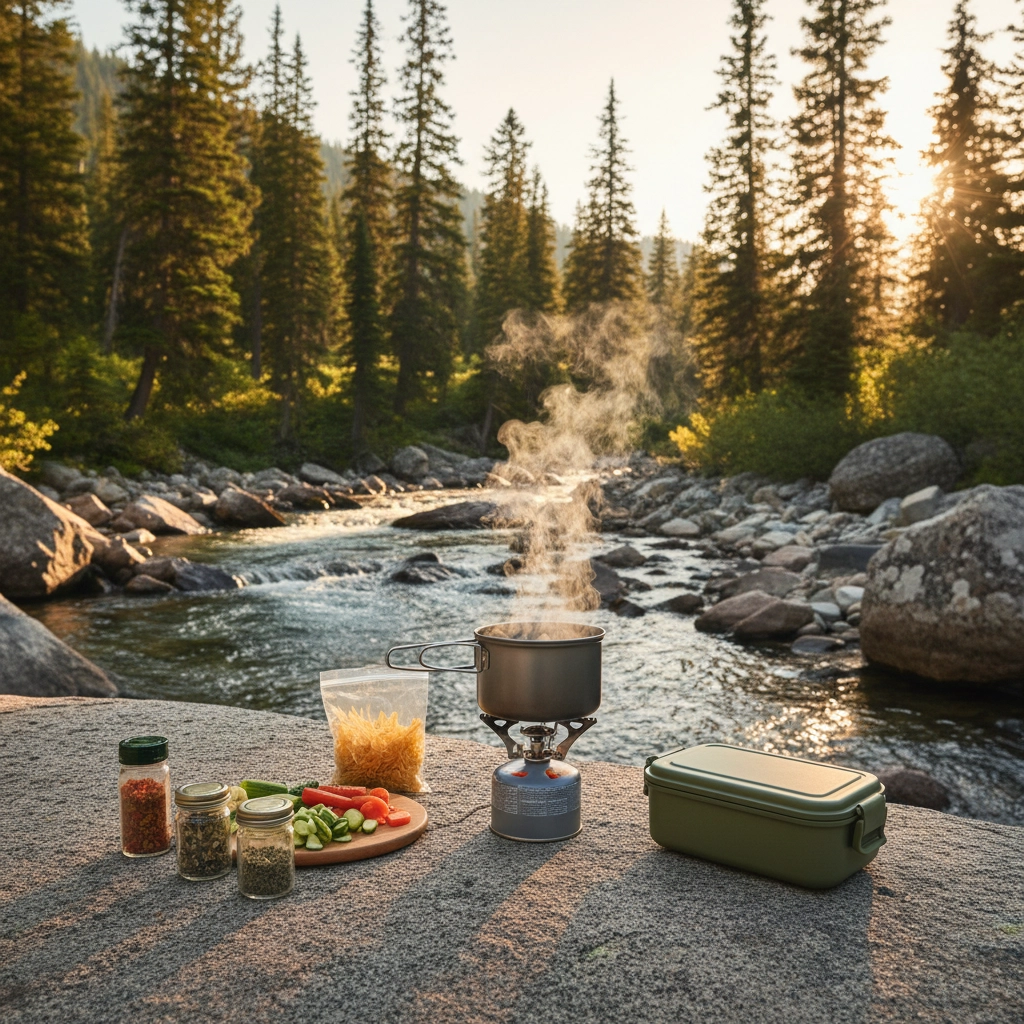
- Breakfast: Oatmeal packets, instant coffee, dried fruit
- Lunch: Wraps with peanut butter, crackers, cheese, jerky
- Dinner: Dehydrated meals (they've come a long way, no cap)
- Snacks: Trail mix, energy bars, whatever keeps you moving
A quality tactical lunch box can keep perishables fresh for day trips, but for multi-day adventures, think shelf-stable and calorie-dense.
Hydration Reality Check: You need way more water than you think. Plan for at least 2-3 liters per day, more in hot weather or high altitude. Know your water sources and always have a backup purification method.
Gear That Actually Matters vs. Gear That Looks Cool
Problem: You bought the most expensive gear on the market but have no idea how to use it properly.
Solution: Practice with your gear before your trip. Set up your tent in the backyard, test your stove, figure out your water filter. There's nothing worse than trying to learn how to use critical gear when you're tired, cold, and possibly hangry.
Gear Testing Checklist:
- Set up your shelter in different weather conditions
- Cook a full meal on your camp stove
- Practice using your water filter until it's second nature
- Test your rain gear (yes, stand in the shower wearing it)
- Break in those hiking boots on short walks first
Investment Priorities: Spend money where it matters most – your feet, your sleep system, and your rain protection. Everything else can be budget-friendly until you figure out what you actually need.
Weather: Nature's Plot Twist
Problem: You checked the weather once, three days ago, and now you're dealing with surprise thunderstorms in your cotton t-shirt.
Solution: Check weather obsessively in the days leading up to your trip, and always plan for conditions to be worse than predicted.
Weather Wisdom:
- Mountain weather changes fast – that sunny morning can turn into a snowy afternoon real quick
- Cotton kills – when wet, it's about as useful as a chocolate teapot
- Layer like an onion – base layer, insulating layer, weather protection layer
- Watch for red flags – lightning, flash flood warnings, extreme temperature drops
Have an evacuation plan if weather turns dangerous. No summit or campsite is worth risking your safety.
The Physical Reality Check
Problem: Your last "hike" was to the mailbox, but you signed up for a 20-mile backcountry adventure.
Solution: Start training at least 6-8 weeks before your trip. Your body (and your hiking buddies) will thank you.
Training That Actually Works:
- Build endurance gradually – start with short hikes and add distance/elevation weekly
- Practice with a loaded pack – hiking with 30+ pounds feels way different than your daily walk
- Strengthen your core and legs – squats, lunges, and planks are your friends
- Break in all your gear – especially boots and your backpack
Don't be the person who ruins the group dynamic because they're suffering from mile one. It's not fun for anyone.
Emergency Preparedness: Hope for the Best, Plan for the Worst
Problem: You assume nothing will go wrong because you're invincible and have good vibes.
Solution: Pack like you might need to save your own life, because you might.
Essential Emergency Kit:
- Whistle (for signaling help)
- Emergency shelter (space blanket or bivy)
- Fire starter that works when wet
- Extra food for one additional day
- Basic first aid supplies
- Emergency contact info and trip plan left with someone reliable
Tell someone your exact plan, including when you should be back and what to do if you're not. This isn't paranoia – it's responsible adulting.
Making It All Work Together
Here's the truth: perfect packing, prepping, and planning comes from experience. You're going to make mistakes, forget things, and learn hard lessons. That's totally normal and part of the adventure.
Start with shorter, easier trips to dial in your systems. Figure out what works for your body, your style, and your comfort level. Every trip teaches you something new about what you actually need versus what gear companies want you to buy.
The goal isn't to eliminate all discomfort – it's to be prepared enough that you can handle whatever the outdoors throws at you and still have a good time doing it.
Remember, the best outdoor adventures happen when you're prepared enough to handle problems but flexible enough to roll with the unexpected. Pack smart, plan thoroughly, but don't forget to actually enjoy the incredible places those preparations will take you.
Now get out there and make some memories – just don't forget the toilet paper this time.


