

Beginner Hiking for Mental Clarity: How to Start Without Feeling Overwhelmed
If you've been feeling scattered, overwhelmed, or like your thoughts are running in circles, you're not alone. And if the idea of hiking for mental clarity appeals to you but also feels a bit intimidating: that's completely normal too.
The truth is, you don't need to be an experienced outdoorsperson or commit to epic mountain adventures to experience the mental reset that hiking can offer. In fact, some of the most powerful mental clarity comes from the simplest outdoor experiences.
Why Hiking Actually Helps Your Mind Reset
There's real science behind why walking in nature feels so different from walking on a treadmill or around your neighborhood. When you step onto a trail, your brain starts shifting in measurable ways.
Research from Stanford University found that just 90 minutes of walking in a natural setting decreased activity in the brain region associated with depression: something that didn't happen with urban walking. Your body also starts lowering cortisol (your stress hormone) while releasing endorphins, those natural mood boosters that help you feel more balanced.
But here's what might be even more helpful: hiking gives your mind something specific to focus on. Instead of cycling through worries or mental to-do lists, you're naturally drawn to notice the trail ahead, the sounds around you, or the way light filters through trees. Many people find this gentle shift in attention helps quiet the mental chatter that can feel so overwhelming.

Starting Small Actually Works Better
You might think you need to plan a big hiking adventure to get these mental benefits, but that's where many people get stuck before they even start. The reality is that shorter, easier hikes often work better for building a sustainable habit: and they're just as effective for mental clarity.
Your first hike can be 20 minutes long. Seriously. Find a local park, nature preserve, or even a tree-lined walking path. The goal isn't distance or difficulty; it's simply spending time moving through a natural environment.
Local trails count. You don't need to drive hours to find the "perfect" hiking spot. Most areas have surprising pockets of nature within a short drive: or even walking distance. These familiar, accessible spots can become your regular mental reset locations.
Consistency matters more than intensity. Going on a short hike once a week will likely give you more mental health benefits than one ambitious monthly adventure that leaves you exhausted.
What You Actually Need to Get Started
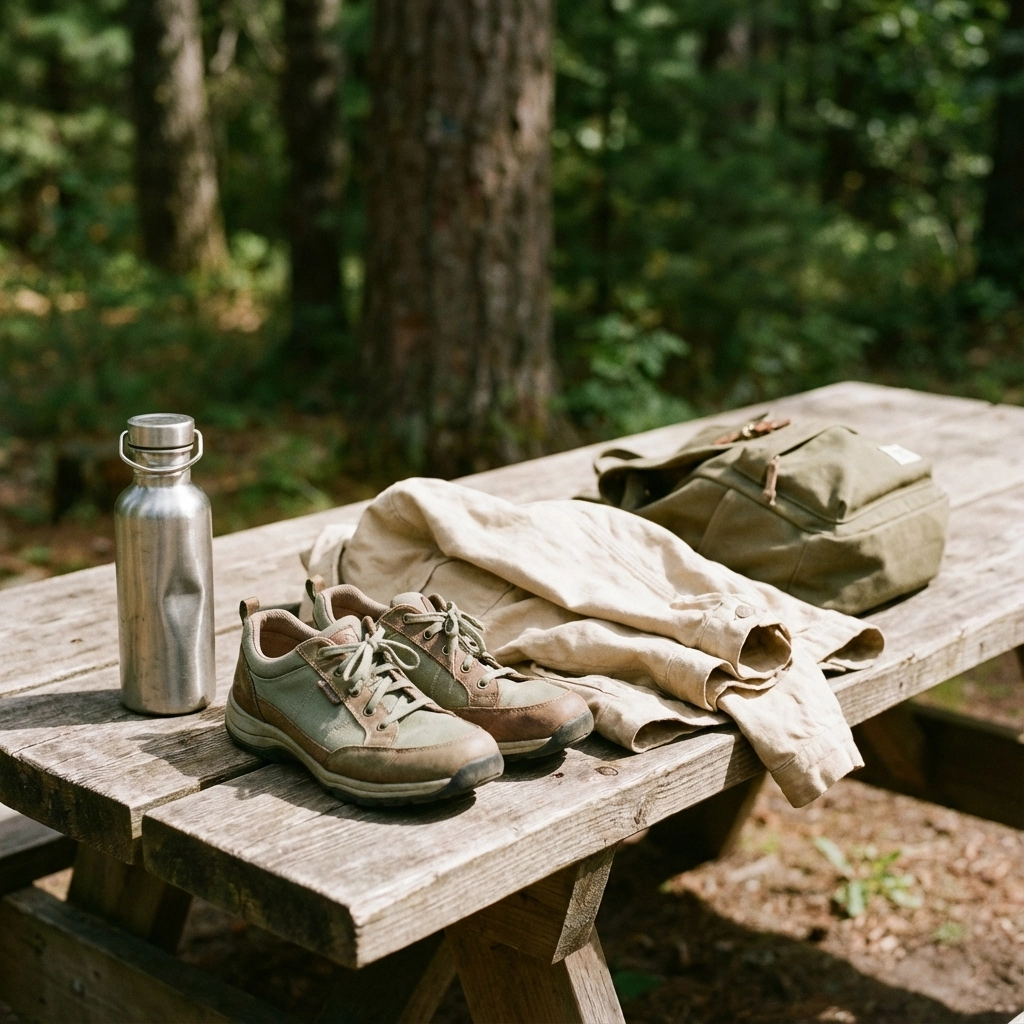
The gear requirements for beginner hiking are much simpler than you might think. You probably already own most of what you need.
Comfortable walking shoes are honestly the most important thing. They don't need to be expensive hiking boots: just something with decent grip that you can walk in comfortably for 30-60 minutes.
Weather-appropriate clothing means dressing in layers you can adjust. A light jacket or sweatshirt you can tie around your waist, comfortable pants or leggings, and maybe a hat if it's sunny.
Water is essential, even for short hikes. A regular water bottle works perfectly fine: you don't need a special hydration system for beginner trails.
Your phone can stay in your pocket or a small bag. While some people prefer to disconnect completely, having it for safety (and maybe some photos) is perfectly reasonable when you're starting out.
Before You Head Out: Simple Preparation
A little bit of preparation goes a long way toward making your first hiking experiences feel calm and enjoyable rather than stressful.
Choose your trail thoughtfully. Look for trails marked as "easy" or "beginner-friendly." Many trail websites or apps will list difficulty levels, estimated time, and even recent reviews from other hikers. Reading a few recent comments can give you a realistic sense of what to expect.
Tell someone where you're going. This isn't about expecting danger: it's just a good practice that helps you feel more confident. Let a friend or family member know which trail you're hiking and roughly when you expect to be back.
Check the weather and plan accordingly. Rain doesn't have to stop you, but knowing what to expect helps you dress appropriately and set realistic expectations.
Start during daylight hours. This probably goes without saying, but beginning hikers often underestimate how much longer things take on trails compared to sidewalks.
Managing Mental Overwhelm Before, During, and After
One of the biggest barriers to starting hiking isn't physical: it's the mental overwhelm that can come with trying something new. Here are some ways to work with those feelings instead of against them.
Before your hike: It's normal to feel uncertain or even a little anxious about trying a new trail. Instead of fighting these feelings, acknowledge them as completely reasonable. You're doing something outside your comfort zone, and that takes courage.
During your hike: If you start feeling overwhelmed: by the physical effort, the surroundings, or even just being alone with your thoughts: remember that turning around is always an option. There's no shame in cutting a hike short. Sometimes the mental clarity comes from simply proving to yourself that you can step outside and try something different.
After your hike: Many people notice they feel calmer and more focused after spending time on a trail, but don't worry if the benefits aren't immediately obvious. Mental clarity isn't always dramatic: sometimes it shows up as sleeping better that night or feeling slightly more patient with daily stressors.
Building a Sustainable Hiking Routine
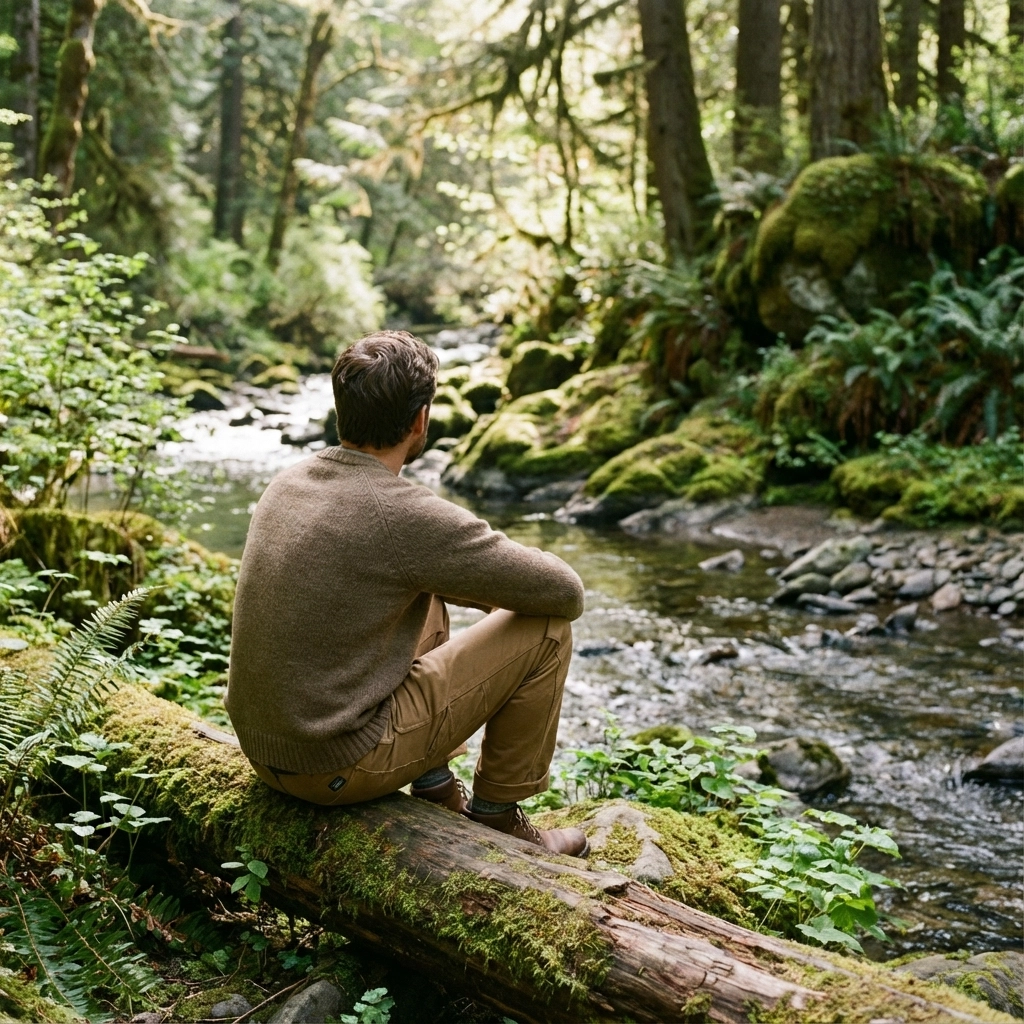
The goal is creating something you can maintain over time, not checking off a one-time adventure. Think of hiking as a tool for mental maintenance rather than a special occasion activity.
Weekly rather than daily. Even once a week can make a meaningful difference in how you feel mentally. This frequency is manageable for most schedules and gives you something to look forward to without feeling like another obligation.
Same time, different places. Having a regular hiking time (like Saturday mornings or Sunday afternoons) helps it become a natural part of your routine. But feel free to explore different trails to keep things interesting.
Seasonal adjustments. Your hiking routine can change with the seasons and your life circumstances. Shorter winter hikes, longer summer adventures, or indoor alternatives during extreme weather: it all counts toward your mental well-being.
What to Do When Motivation Is Low
There will be days when getting out on a trail feels like the last thing you want to do. This is completely normal and doesn't mean you should abandon hiking altogether.
Lower your expectations. Instead of your usual 45-minute hike, commit to just 15 minutes. Instead of a challenging trail, pick the easiest one you know. Often, the hardest part is simply getting started.
Bring a friend. Having company can make hiking feel less daunting when your mental energy is low. Plus, many people find that talking while walking helps process thoughts and feelings in a natural way.
Focus on the immediate benefits. Rather than thinking about long-term mental health, focus on how good it usually feels to move your body and breathe fresh air. Sometimes that's motivation enough.
The wonderful thing about hiking for mental clarity is that there's no wrong way to do it. Whether you're walking for 20 minutes on a local nature trail or spending a whole afternoon exploring somewhere new, you're giving your mind exactly what it needs: a chance to slow down, reset, and reconnect with something larger than daily stress.
At Lost Lake Outdoor, we believe that every step outside counts: no matter how small or simple. Your mental well-being doesn't require epic adventures or expensive gear. Sometimes it just requires the willingness to put one foot in front of the other on a path that winds through trees instead of traffic.
The trail is waiting whenever you're ready.


